
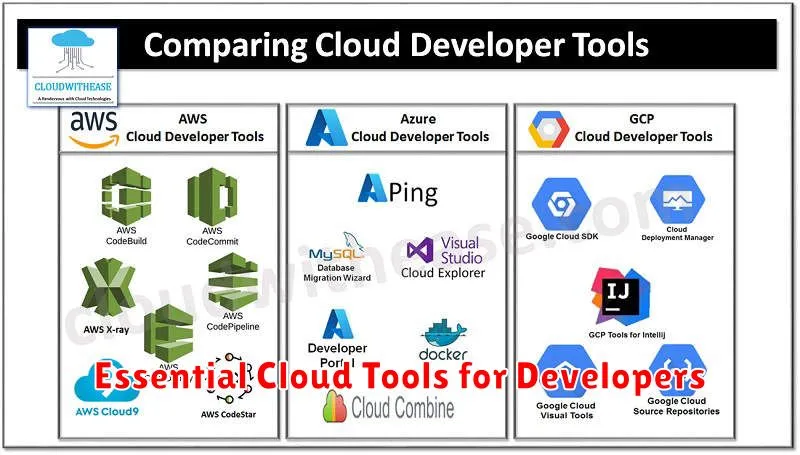
In today’s dynamic tech landscape, cloud computing has become an indispensable resource for developers. Leveraging the power of the cloud offers a multitude of advantages, from enhanced scalability and collaboration to cost optimization and streamlined workflows. This article delves into the realm of essential cloud tools specifically designed to empower developers, boosting productivity and enabling the creation of cutting-edge applications. Whether you are a seasoned software engineer or just embarking on your development journey, understanding and utilizing these cloud tools is paramount to success in the modern development ecosystem.
Navigating the vast array of available cloud tools can be daunting. This article will provide a curated selection of essential cloud tools for developers, encompassing various categories such as cloud IDEs, serverless computing platforms, containerization services, and DevOps tools. We will explore the key features and benefits of each tool, equipping you with the knowledge to make informed decisions and select the optimal cloud solutions for your specific development needs. From simplifying infrastructure management to accelerating development cycles, these essential tools are poised to revolutionize your workflow and unlock new possibilities in the cloud.
Why Developers Need Cloud Tools
Cloud tools provide developers with essential resources and capabilities to streamline their workflow and enhance software development processes. Scalability is a key benefit, allowing developers to easily adjust resources as needed, avoiding the limitations of fixed infrastructure. This flexibility translates to cost efficiency, paying only for what is used.
Collaboration is simplified through cloud-based platforms, enabling teams to work together effectively regardless of location. Version control and shared project environments promote seamless integration and faster development cycles. Furthermore, cloud tools offer enhanced security measures and robust data backup capabilities, protecting valuable project assets and ensuring business continuity.
Popular Cloud IDEs and Platforms
Cloud IDEs offer a compelling alternative to traditional, local development environments. They provide flexibility and accessibility by allowing developers to write, run, and debug code from anywhere with an internet connection. This section explores some popular choices.
AWS Cloud9
Amazon Web Services provides Cloud9, a robust IDE that supports a wide range of programming languages. It offers real-time collaboration features, making it ideal for team projects.
Google Cloud Shell Editor
Integrated with Google Cloud Platform, the Cloud Shell Editor offers a browser-based development experience with command-line access. It is particularly useful for working with serverless applications and managing cloud resources.
GitHub Codespaces
Tightly integrated with GitHub repositories, Codespaces allows developers to spin up a cloud-based development environment directly from their projects. This simplifies the setup process and promotes consistent development environments across teams.
Continuous Integration & Deployment
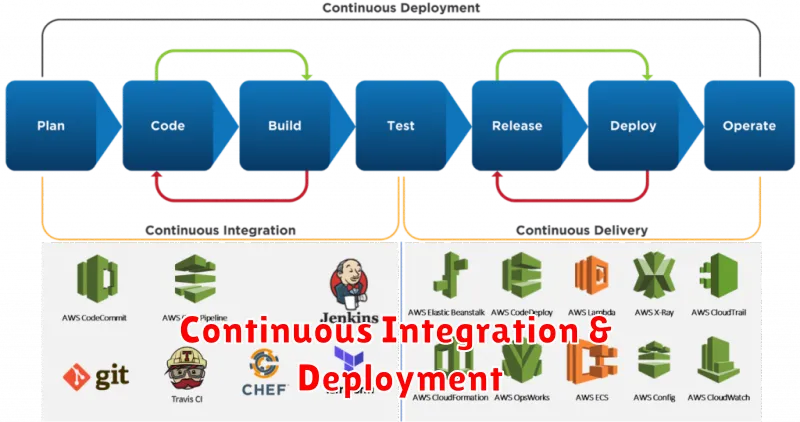
Continuous Integration and Continuous Deployment (CI/CD) are essential practices for modern software development. CI focuses on automatically building and testing code whenever changes are pushed to a shared repository. This helps identify integration issues early.
CD extends this process by automatically deploying the tested code to staging or production environments. This facilitates rapid release cycles and faster feedback loops. CI/CD pipelines automate the entire software delivery process, leading to increased efficiency and reduced errors.
Key tools in this space offer features like automated build triggers, test runners, deployment automation, and pipeline orchestration. By adopting CI/CD, development teams can achieve greater agility and deliver high-quality software more consistently.
API Management and Documentation
API management platforms are crucial for developers working with cloud-based applications. These tools provide a centralized hub to control, monitor, and analyze APIs. Key features include API gateways for security and traffic management, and developer portals that streamline API discovery and consumption.
Documentation is essential for effective API usage. Clear, concise documentation allows developers to quickly understand how to integrate with an API. This documentation should include information on available endpoints, request parameters, authentication methods, and response formats.
Monitoring and Debugging Services
Monitoring and debugging are crucial aspects of cloud development. Comprehensive monitoring tools provide real-time insights into application performance, resource utilization, and overall system health. This data is essential for identifying bottlenecks, optimizing resource allocation, and ensuring service availability.
Effective debugging services help developers quickly identify and resolve issues within their cloud applications. These tools often include features like log analysis, distributed tracing, and error reporting, which significantly streamline the debugging process and reduce downtime.
Key features to look for include customizable dashboards, alerting mechanisms, and integration with other development tools. Choosing the right monitoring and debugging services empowers developers to build, deploy, and maintain robust and reliable cloud applications.
Team Collaboration and Workflow
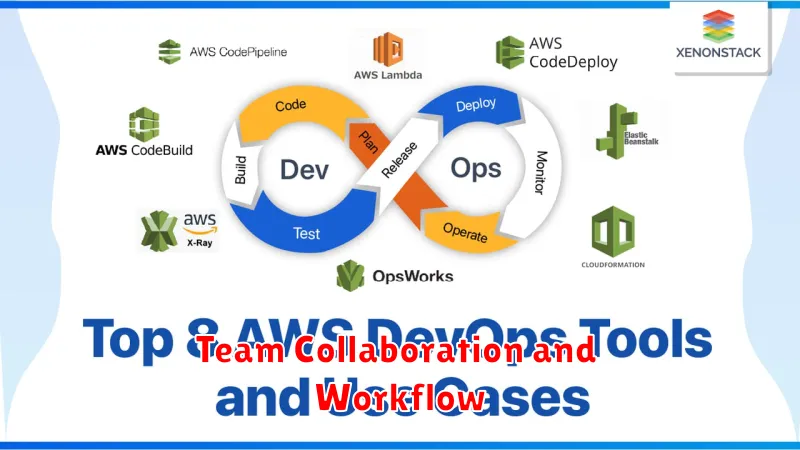
Effective team collaboration is crucial for successful software development. Cloud-based tools facilitate this by providing shared workspaces and communication channels. These tools streamline workflows, enabling teams to work together seamlessly regardless of location.
Key features include version control systems, which track changes to code and allow for easy rollback to previous versions. Project management platforms offer tools for task assignment, progress tracking, and deadline management. Real-time communication tools, like instant messaging and video conferencing, enhance team interaction and information sharing.
Security and Testing in Cloud Development
Security and testing are critical aspects of cloud development. Thorough testing ensures application reliability and performance, while robust security measures protect sensitive data and maintain system integrity.
Key security considerations include access management, data encryption, and vulnerability scanning. Implementing strong authentication and authorization mechanisms helps control access to cloud resources.
Testing in the cloud involves various approaches, such as unit testing, integration testing, and performance testing. Cloud platforms offer tools and services to facilitate automated testing and continuous integration/continuous delivery (CI/CD) pipelines.
