
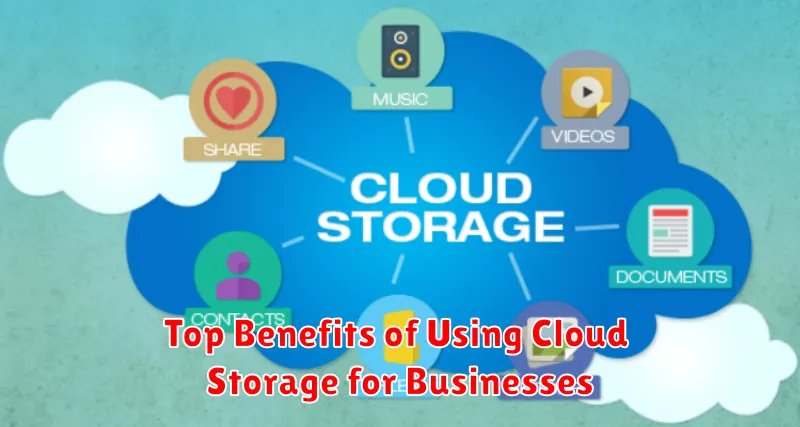
In today’s rapidly evolving digital landscape, cloud storage has become an indispensable tool for businesses of all sizes. Leveraging the benefits of cloud storage can significantly enhance a company’s operational efficiency, data security, and overall scalability. This article will delve into the top benefits of using cloud storage for businesses, exploring how it empowers organizations to streamline workflows, reduce costs, and improve collaboration.
From enhanced data security and disaster recovery capabilities to improved accessibility and scalability, cloud storage offers a plethora of advantages. Whether you’re a small startup or a large enterprise, understanding the benefits of cloud storage is crucial for making informed decisions about your IT infrastructure. This article will provide valuable insights into how cloud storage can transform your business operations and contribute to long-term success.
What Is Cloud Storage?
Cloud storage is a service model where data is maintained, managed, backed up, and made available to users over a network, typically the internet. Instead of storing data on physical hard drives or local servers, files are stored virtually on remote servers housed in data centers managed by a third-party provider. These providers are responsible for the physical hardware, security, and ensuring data availability.
Users can access their stored files from any device with an internet connection, promoting accessibility and collaboration. Data is typically transmitted and stored using encryption to ensure security and prevent unauthorized access. Cloud storage offers varying service levels, from basic file storage and sharing to more advanced features like data synchronization and disaster recovery.
Why Businesses Prefer Cloud Storage
Businesses are increasingly turning to cloud storage solutions for a variety of compelling reasons. Cost-effectiveness is a primary driver, as cloud storage eliminates the need for expensive on-site hardware and IT infrastructure. Scalability is another key advantage, allowing businesses to easily adjust their storage capacity as needed, paying only for what they use.
Enhanced collaboration is facilitated by cloud storage, enabling teams to access and share files from anywhere with an internet connection. Data security is also a major consideration, and reputable cloud providers invest heavily in robust security measures to protect sensitive business data. Disaster recovery is simplified with cloud storage, offering businesses a reliable backup and recovery solution in the event of data loss.
Scalability and Cost-Efficiency
Cloud storage offers businesses unparalleled scalability. Easily adjust your storage capacity as needed, whether you require more or less space. This eliminates the need for large upfront investments in hardware and allows you to adapt quickly to changing business demands.
Cost-efficiency is another significant advantage. The pay-as-you-go model of cloud storage eliminates the expenses associated with traditional storage, such as hardware maintenance, IT staff, and physical space. You only pay for the storage you actually use, reducing overhead costs.
File Sharing and Collaboration Tools
Cloud storage solutions greatly enhance file sharing and collaboration. They provide a centralized platform where teams can easily access, edit, and share documents in real-time.
This eliminates the need for email attachments and ensures everyone works with the most up-to-date version. Version control features further streamline collaboration by tracking changes and allowing easy reversion to previous iterations. These tools often integrate with other productivity applications, further boosting efficiency.
Backup and Disaster Recovery
Cloud storage offers a robust solution for backup and disaster recovery. Data is securely stored and replicated across multiple servers, minimizing the risk of data loss due to hardware failures, natural disasters, or cyberattacks.
Automated backups streamline the process, ensuring data is consistently protected. This automation minimizes manual intervention and reduces the risk of human error. In the event of a disaster, businesses can quickly restore their data from the cloud, minimizing downtime and ensuring business continuity.
Top Providers to Consider
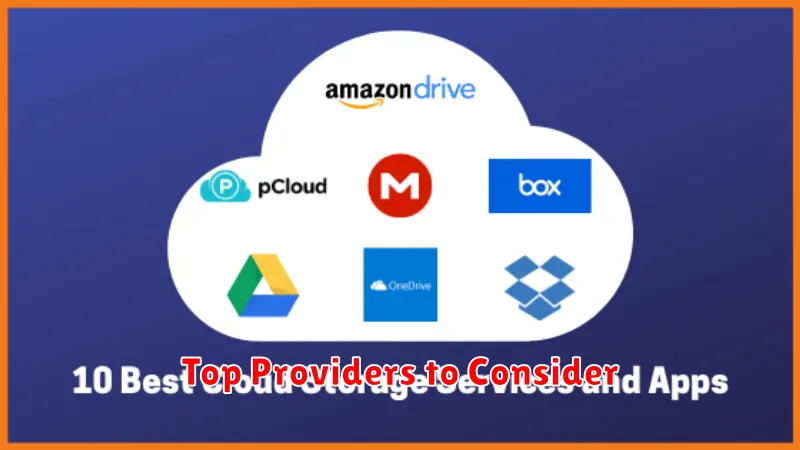
Selecting the right cloud storage provider is crucial for maximizing the benefits of cloud storage. Several factors, including security, scalability, and cost-effectiveness, should influence your decision. Here are some of the leading providers in the market:
Leading Cloud Storage Providers
- Amazon Web Services (AWS): Known for its extensive range of services and robust infrastructure.
- Microsoft Azure: A popular choice for businesses already integrated with the Microsoft ecosystem.
- Google Cloud Platform (GCP): Offers strong capabilities in data analytics and artificial intelligence.
- IBM Cloud: Focuses on enterprise-grade solutions and hybrid cloud deployments.
Each provider offers different features, pricing models, and support options. Thorough research and comparison are essential to choose the provider that best aligns with your specific business needs.
Choosing the Right Plan
Selecting the appropriate cloud storage plan is crucial for maximizing benefits and controlling costs. Carefully assess your business’s storage needs, budget, and required features.
Consider factors like the number of users who need access, the estimated storage capacity required, and the necessary security and compliance standards.
Most providers offer tiered plans with varying storage capacities, features, and pricing. Start with a smaller plan and scale up as needed to avoid overspending.
